The thrill of uncertainty
One of the fundamental aspects of human psychology is our attraction to uncertainty, and this fascination is particularly evident in casino environments. The excitement generated by not knowing the outcome of a game can lead to an adrenaline rush that many people find irresistible. This thrill is often referred to as a „risk-reward” dynamic, where the potential for large rewards drives individuals to engage in risky behaviors. In a casino, players experience this rush as the dice are rolled, cards are dealt, or roulette wheels spin, creating an atmosphere charged with anticipation. Many also seek platforms that cater to this thrill, such as online casino uk fast withdrawal , where the process of wagering becomes even more exhilarating and accessible.
This sensation taps into our innate desire for novelty and stimulation. The unpredictability of gambling not only ignites our excitement but also triggers the release of dopamine in our brains, which is associated with pleasure and reward. As a result, gamblers often find themselves returning to the casino, chasing that high. This cycle of risk and reward can make the experience addictive, as individuals increasingly seek out the next big win or exhilarating moment of uncertainty that a casino has to offer. The brain’s response to gambling can be quite similar to that of substance use, as both can lead to heightened states of euphoria followed by potential lows, reinforcing the cycle of risk-taking behavior.
Moreover, the allure of uncertainty also plays into the human psyche regarding control and mastery over one’s environment. Players may believe that they can develop strategies to beat the odds or gain insight into random events. This misguided confidence can enhance the thrill, as the belief in one’s control over outcomes fuels the desire to engage with the risk further, creating a compelling loop of behavior that keeps players coming back for more. The psychological concept of „illusion of control” plays a significant role here, as players often overestimate their ability to influence outcomes, which only intensifies their engagement in the gaming experience.
The social aspect of gambling
Casinos are not just places for individual games; they are also social hubs that bring people together to share experiences. The communal atmosphere of a casino can heighten the thrill of risk, as players cheer each other on or share in the collective anticipation of a game. This social dynamic is powerful, allowing people to bond over shared hopes and fears, making the gambling experience more than just personal entertainment. Human beings are inherently social creatures, and the presence of others can amplify emotions, creating a shared sense of excitement that enhances the overall experience.
Furthermore, the presence of others can amplify emotions, influencing decision-making and behavior. Players may feel emboldened by the energy of their companions, leading them to take larger risks than they would typically consider. This group psychology can create a festive environment, encouraging individuals to let go of inhibitions and immerse themselves in the fun. The communal aspect of gambling reinforces social ties, as friendships can develop around shared interests in gaming, and celebratory moments can lead to lasting memories. The laughter, cheers, and camaraderie found in casinos contribute to a unique atmosphere that many find irresistible.
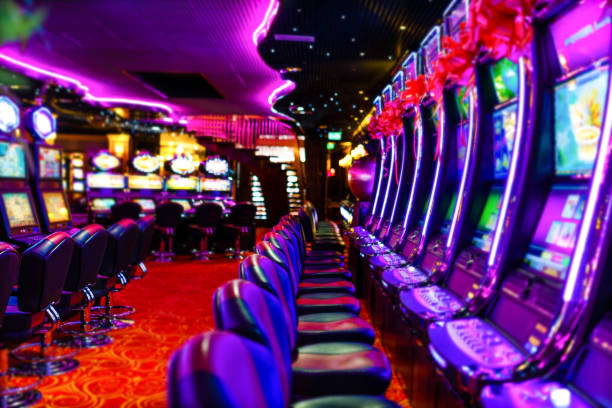
Importantly, the social experience at casinos transcends just the gaming tables. Many venues offer dining, entertainment, and events that attract large crowds. By blending various social activities with gambling, casinos create a multifaceted experience that appeals to a broader audience. This social layer adds depth to the gambling experience, making it less about mere chance and more about shared moments and excitement among friends and strangers alike. The combination of gaming with dining and live performances transforms a visit to the casino into a comprehensive social outing, reinforcing the idea that it is not solely about the games but about the experience as a whole.
The impact of environment on behavior
The environment within a casino plays a critical role in shaping player behavior and enhancing the gambling experience. Casinos are meticulously designed to create an atmosphere of excitement and allure. Designers use vibrant colors, engaging sounds, and enticing scents to stimulate the senses and draw players in. The layout often promotes a sense of exploration, as players wander through the maze of games, each promising a unique adventure and potential rewards. This careful orchestration of sensory experiences is no accident; it is a deliberate strategy to keep players engaged and invested in their surroundings.
This intentional design can influence decision-making, as players may remain in the casino longer than they initially planned due to the appealing environment. Factors such as lighting and sound are manipulated to create a sense of urgency and excitement—think of the ringing of slot machines and the flashing lights that celebrate wins. These elements can compel players to participate more actively in games, further entrenching them in the experience and encouraging prolonged engagement with risk. The sensory overload can create a euphoric state that makes the act of gambling feel even more thrilling.
Moreover, the absence of clocks and windows in many casinos serves a psychological purpose: it disconnects players from the passage of time, allowing them to lose themselves in the experience. When players are immersed in the thrill of the moment without any time constraints, they are more likely to take risks, chase losses, or indulge in larger bets than they might otherwise consider. This carefully crafted environment capitalizes on human psychology, making the experience exhilarating and potentially hazardous. The immersive design of casinos transforms the space into a realm where time seems to stand still, reinforcing the idea that the thrill of risk is worth the gamble.
The allure of winning
The possibility of winning big is a major factor that draws individuals to casinos. While the odds are often stacked against players, the fantasy of hitting the jackpot or scoring a significant win keeps many returning. This dream is reinforced through stories of past winners, such as those who have walked away with life-changing sums of money. These narratives fuel hope, making the risk feel worthwhile, as people believe they, too, could achieve such fortune. The idea of winning transcends mere financial gain; it often represents personal validation and a sense of achievement.

Additionally, the concept of near misses plays a crucial role in gambling psychology. Many players find themselves tantalizingly close to winning, which creates a sense of encouragement and can lead to continued play. This phenomenon is particularly strong in slot machines, where players may experience a string of near wins that make them feel as though they are on the brink of a significant payout. This can lead to an escalation in risk-taking behavior, as players become increasingly determined to try for that elusive win. The psychological impact of near misses can create a powerful illusion of being on the verge of success, further driving engagement in the gambling experience.
Ultimately, the allure of winning taps into deeper psychological desires for success, validation, and financial gain. Casinos capitalize on this need by providing a platform where people can envision their dreams of wealth and achievement, even if the reality is that most will walk away with less than they invested. The potential for a substantial win transforms the risk into a compelling narrative that draws many into the enticing world of gambling. This narrative becomes a critical part of the casino experience, where the hope of striking it rich can overshadow the risks involved.
Exploring responsible gaming
While the excitement of casinos is undeniable, it is essential to approach gambling responsibly. Understanding the psychology of risk can help individuals recognize when their enjoyment of gambling may be crossing into problematic behavior. Casinos often promote responsible gaming initiatives, providing information and resources to help players make informed decisions and set limits on their gambling activities. This focus on responsible gaming is crucial in promoting a healthy relationship with gambling, emphasizing that the thrill should not come at the expense of personal well-being.
Moreover, many casinos implement features designed to assist players in managing their gambling habits. Tools such as deposit limits, time-outs, and self-exclusion programs serve to empower players in maintaining control over their gaming experiences. By fostering a culture of responsible gambling, the casino industry acknowledges the delicate balance between risk and reward, ensuring that the thrill of gaming does not come at the cost of personal well-being. These initiatives are vital in helping players enjoy the excitement of gambling while reducing the potential for negative consequences.
As we delve into the psychology behind our love for casinos, it’s crucial to maintain a dialogue around responsible gaming practices. By prioritizing awareness and education, players can enjoy the excitement of the casino while minimizing the risks associated with gambling. This approach not only enhances the overall experience but also contributes to a safer gaming environment for all. It empowers individuals to make choices that align with their values and financial situations, allowing them to engage with casinos in a way that is both enjoyable and sustainable.