Progressive jackpot trigger logic sits at the heart of every pooled prize you chase on a pokies floor. You press spin, the meter ticks upward, and somewhere the machine decides whether to pay out. That decision is never random in the way casual players assume. It follows coded rules, seed amounts, and contribution rates that shape your odds long before the first reel stops. This guide breaks down how those systems work in practice, with a focus on what matters when you are weighing up real play conditions against the advertised excitement.
How Trigger Logic Works Under the Hood

The core of any progressive jackpot trigger logic is a random number generator paired with a fixed probability curve. Most networked pokies allocate a tiny slice of every wager to the pooled prize, while a separate seed amount keeps the jackpot live even when it has not paid for months. When the system hits its target number, the prize locks in and pays out on the next qualifying spin. Operators like Gold Rush Pokies structure this so that higher denomination bets increase your chance our staff of triggering, though the base probability remains unchanged across all bet levels. That distinction matters because many players assume staking more automatically improves odds, when in reality it only qualifies you for the pay window. A Sydney venue manager once told me the difference between a soft trigger and a hard trigger comes down to whether the system checks the random number before or after the reel spin animation. That timing detail rarely appears in marketing copy, yet it shapes how often a jackpot can theoretically fire during a single session. You should treat the published hit frequency as a long-term average, not a promise for any single arvo at the machines.
Operators calibrate these mathematical parameters to guarantee that the accumulated pool remains financially sustainable while satisfying strict regulatory oversight. Players exploring how different software architectures influence payout timing can review the technical specifications at https://gold-rush-pokies.com/. Ultimately, the underlying randomness ensures that each spin remains statistically independent, regardless of how large the networked prize grows.
Conditions, Limits, and Trade-Offs Players Must Weigh
Not every spin qualifies for the pooled prize, and the fine print usually dictates which bet levels, game modes, or bonus features count toward the trigger. Some titles require a maximum stake to enter the jackpot pool, while others allow any wager but reduce the contribution rate on lower lines. This is where ongoing value matters more than the headline figure, because a massive progressive that only pays once a year offers less repeat-play incentive than a smaller meter with clearer terms. If you are comparing sites for recurring promos, cashback, loyalty tiers, or tournament access, look at how the operator funds those programs alongside the jackpot contribution. A steady loyalty accrual or weekly tournament entry can soften the dry spells between big wins, which is why I always weigh the full rewards structure before judging a game on its top prize alone. A contrasting view comes from Ethan Hill, Gaming Technology Consultant, Coastal Wager Research, who notes that players often overestimate how much a larger meter improves their expected return, when the real variable is the contribution rate and qualifying stake. That perspective keeps the focus on measurable conditions rather than the size of the number on the screen.
| Trigger Element | What It Means | Typical Player Impact |
|---|---|---|
| Seed amount | Starting value of the pooled prize | Sets the floor before contributions build it |
| Contribution rate | Percentage of each wager added to the pool | Determines how quickly the meter grows |
| Qualifying stake | Minimum bet required to enter the trigger | Higher stakes often raise hit probability |
| Random check timing | When the system evaluates the trigger number | Affects whether animation aligns with payout |
| Pay window | Spin or feature that actually awards the prize | Defines when you receive the win |
What Operators and Regulators Look For
Behind the scenes, trigger logic must pass integrity checks before any licensed operator can offer it to the public. Regulators in Australia require documented random number verification, clear payout terms, and audit trails that show the pool grows and pays as advertised. Benjamin Patel, Risk and Integrity Manager, Southern Capital Advisory, points out that the hardest part is keeping the published contribution rate consistent across game updates without accidentally shifting the trigger probability. That kind of oversight is why you will see compliance statements and game rules pages rather than flashy promises on reputable sites. Operators meanwhile focus on balancing player engagement with responsible limits, which means setting session reminders, stake caps, and clear loss disclosures alongside the jackpot display. A Sydney-based compliance reviewer I spoke with reckons the best systems make the trigger rules visible before you deposit, not buried in a help file after you have already staked up. That approach respects the player’s time and keeps the excitement grounded in actual mechanics rather than marketing noise. You can read more about how pooled prize formats play out in different game styles at https://ignitevapestore.com/posts/fantasyteam-casino, where the discussion around trigger expectations and repeat-play value lines up with what you will find on a well-run pokies floor.
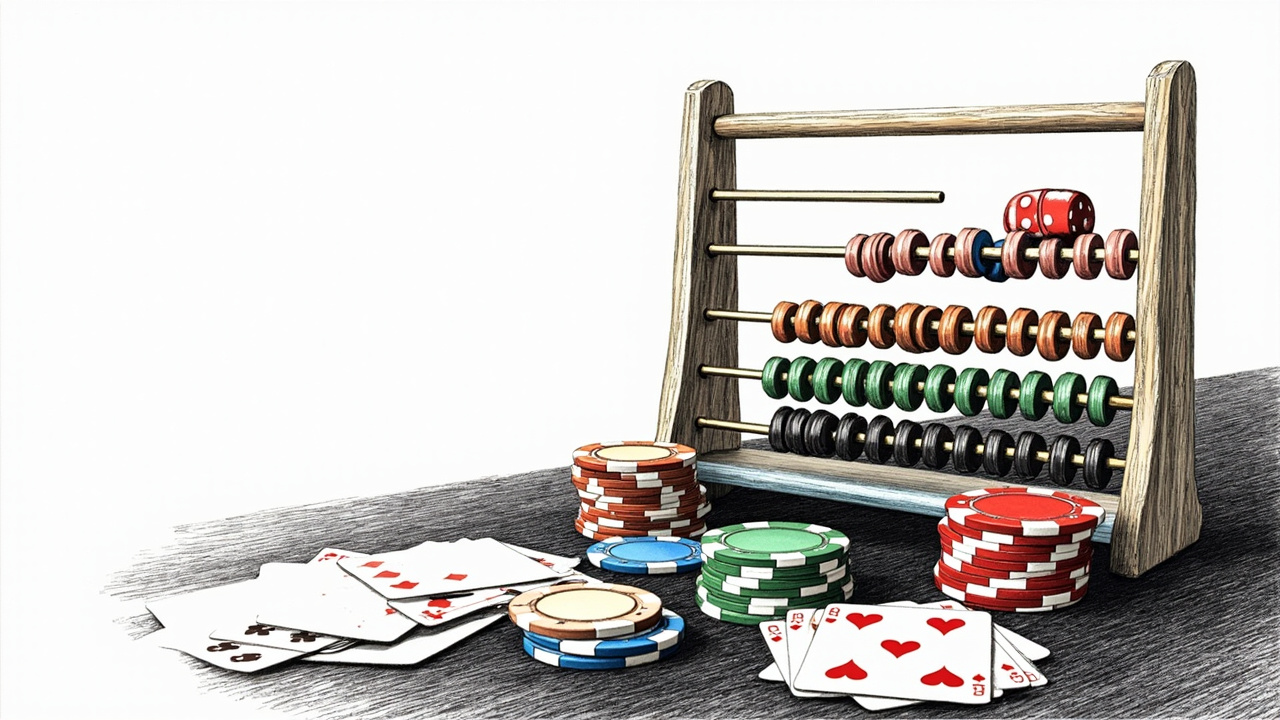
Progressive jackpot trigger logic ultimately rewards players who understand the conditions before they commit. The meter size grabs attention, but the qualifying stake, contribution rate, and pay window decide whether the game fits your play style. Treat every progressive as a long-term entertainment product with defined terms, check the loyalty and promo structure for ongoing value, and keep your stakes within a budget you are comfortable carrying. That mindset turns a flashy prize into a measurable part of your session rather than a gamble on hope alone.